Warmth Without Wires: Living Well in Winter
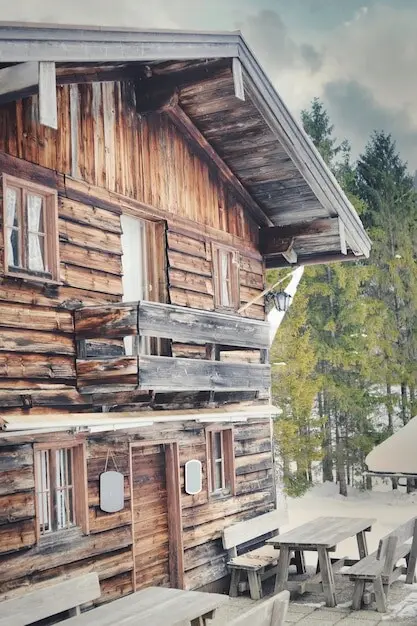
Fire at the Heart: Daily Life Around a Wood Stove
Morning Embers and the First Boil
The day begins by coaxing last night’s embers to life, feeling their stubborn glow wake beneath kindling and careful draft. Coffee water hums before sunrise, and boots dry beside the firebox. Watch for that soft turn in flame sound—the moment heat deepens and the room relaxes—then savor the transformation of cold air into comfort you built with your hands.
Stacking Wood, Stacking Confidence
Each split you stack is a promise kept against February’s bluntness. You learn species by scent and heft, how ash rings compared to birch, how maple seasons differently than spruce. The pile becomes a memory bank of exertion and foresight, a visible ledger of earned warmth. Post photos of your neatest rows or clever stacking tricks that shrug off wind and wandering pets.
Listening to the Flue
The flue speaks if you listen: a gentle hiss means healthy draft, a sluggish breath hints at damp wood or a cold chimney. Creosote fears steady, hot burns more than anything, and a magnetic thermometer becomes a trusted translator. Record how your stove responds to storms, new woodlots, or different splits, and help neighbors decode those small but vital stove-side signals.
Water That Falls Without Falling: Gravity-Fed Comfort
Head, Elevation, and Simple Math

Freeze Protection and Routing

Faucets, Filters, and Taste
Candlelight Evenings: Eyes, Emotions, and Practical Tasks
{{SECTION_SUBTITLE}}

Brightening with Reflectors and Mirrors

Safety Habits That Become Second Nature
Designing the Shell to Help the Hearth

Maintenance and Resilience for Long Winters
Counting What Matters: Fuel, Water, and Light Budgets

Fuel Math You Can Feel
Match stove output and room size by experience as well as charts. Stack splits by burn pattern—fast starters, steady cruisers, and long sleepers—then note how each load plays with wind and humidity. Moisture meters save frustration, but ears and noses learn too. Compare species BTUs and the patience they demand, and tell us how you balance quick comfort against overnight staying power when frost takes itself seriously.
Water Use That Honors Elevation
Match stove output and room size by experience as well as charts. Stack splits by burn pattern—fast starters, steady cruisers, and long sleepers—then note how each load plays with wind and humidity. Moisture meters save frustration, but ears and noses learn too. Compare species BTUs and the patience they demand, and tell us how you balance quick comfort against overnight staying power when frost takes itself seriously.
Wick-Hours and Planning Evenings
Match stove output and room size by experience as well as charts. Stack splits by burn pattern—fast starters, steady cruisers, and long sleepers—then note how each load plays with wind and humidity. Moisture meters save frustration, but ears and noses learn too. Compare species BTUs and the patience they demand, and tell us how you balance quick comfort against overnight staying power when frost takes itself seriously.
All Rights Reserved.