Retreat to the Quiet: Mountain Cabins Shaped by Nature and Intention

We’re exploring how to design quiet mountain cabins with natural materials and screen‑free spaces, weaving stone, timber, and light into places that soothe overstimulated minds. Expect practical guidelines, field-tested details, and heartfelt stories from high-altitude builds, plus prompts to reclaim attention, gather around the hearth, and let silence do its restorative work. Share questions, subscribe for sketches, and join our slow-building circle.

Finding the Quiet: Site, Orientation, and Views

Silence begins long before framing; it starts with how you choose the slope, face prevailing winds, and frame horizons that slow the breath. We’ll walk ridge lines at dawn, read snow drifts, listen to water, and map sun paths, crafting a cabin placement that protects calm, welcomes light, and celebrates night skies without glare.

Listening to the Land

Before any stake touches soil, spend unhurried hours noticing bird calls, wind patterns around outcrops, and how cold sinks settle in evening hollows. These subtle cues guide where to tuck sleeping spaces, how to shield entries, and which views deserve framing without sacrificing warmth.

Sun, Shade, and the Compass

Orient glazing for winter sun and deep summer shade, not just postcard vistas. A ten‑degree tweak can transform morning chill into gentle warmth, power passive gains, and lower reliance on mechanical heat while preserving shaded porches that invite midday reading without squinting or screens.

Approach, Arrival, and Night

A hushed arrival sequence matters: crunching gravel, a windbreak of firs, and lantern-height lighting soft enough to reveal stars. Thoughtful paths slow footsteps, keep mud outside, and set the tone for interior quietude where conversations unspool naturally beside a low, steady flame.

Honest Materials: Timber, Stone, Earth, and Wool

{{SECTION_SUBTITLE}}

Wood That Tells the Weather

Unfinished or lightly oiled spruce, fir, or larch can signal humidity through scent and touch, inviting windows to be cracked rather than thermostats adjusted. Choose tight-grained boards from higher slopes for durability, then celebrate knots, saw marks, and hand-plane chatter as living records, not defects to conceal.

Stone Underfoot, Warmth in Mind

Flagstone floors over insulated slabs lend thermal mass that evens temperature swings and welcomes bare feet after sunlit afternoons. Use local quarry offcuts to reduce costs and embed brass datum strips for cleaning guides, quietly merging practicality with a grounded feeling that corrals snowmelt and soot near entrances.

Architecture of Silence: Layout, Acoustics, and Calm

Quiet is designed, not wished for. Staggered studs, soft transitions between zones, and small, meaningful rooms create intimate acoustics. We’ll explore loft libraries, deep sills, and vestibules that catch noise, while textiles and bookshelves absorb echo, letting music, fire, and voices breathe without competing for attention.

Screen-Free Living: Rituals, Analog Corners, and Social Warmth

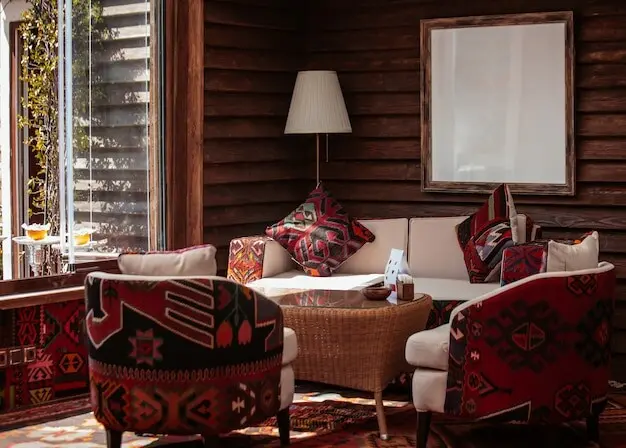
Design window seats with thick cushions, lamplight at eye level, and shelves for notebooks and decks of cards. A woven basket of sharpened pencils and field guides beside binoculars can transform idle scrolling urges into sketching birds, writing postcards, or planning tomorrow’s ridge walk together.
A compact, efficient stove shapes nightly rhythms: kindling rituals, kettle songs, and fire-watching that quiets debate. Arrange seating in a loose circle, leave the coffee table clear for backgammon, and let the flames set the pace while snow polishes the windows outside.
Post welcoming guidelines near the door: phones stay in cubbies until morning coffee; books, games, and walks are open late. Framing it as a gift of attention, not deprivation, invites enthusiastic buy‑in, turning boundaries into a shared, memorable experiment worth repeating.

Air Tight, Vapor Open

Detail gaskets at plates, tapes at sheathing seams, and careful penetrations around flues so drafts vanish and the stove sips, not gulps. Keep assemblies vapor open, letting wool and plaster buffer moisture swings, preventing musty corners and protecting beams through freeze‑thaw seasons.

Thermal Mass that Serves People

Locate mass where morning sunlight lands—bench walls, hearth surrounds, floor bands—so stored heat radiates into breakfast and reading hours. Avoid overloading bedrooms with cold stone; choose wood underfoot there, encouraging deeper sleep and a gentler wake without clattering radiators or blinking thermostats.

Craft and Story: Handbuilt Details, Finishes, and Lasting Care

{{SECTION_SUBTITLE}}

Details that Invite Touch

Round stair nosings with a spokeshave, chamfer shelf edges, and use linen oil for a low-sheen glow that calms glare. When hardware feels warm and forgiving, doors close softer, tempers cool faster, and every gesture participates in the wider hush you are cultivating.

Finishes that Breathe and Heal

Migraine-free interiors begin with low-odor oils, waxes, and mineral washes. Choose soap finish on floors, waxed lime in baths, and natural mastic on counters, so scents remain gentle. When scratches arrive, spot-repair easily, celebrating patina instead of sanding everything flat and sterile again.
Lorozentolentotarinexopalo
Privacy Overview

This website uses cookies so that we can provide you with the best user experience possible. Cookie information is stored in your browser and performs functions such as recognising you when you return to our website and helping our team to understand which sections of the website you find most interesting and useful.